
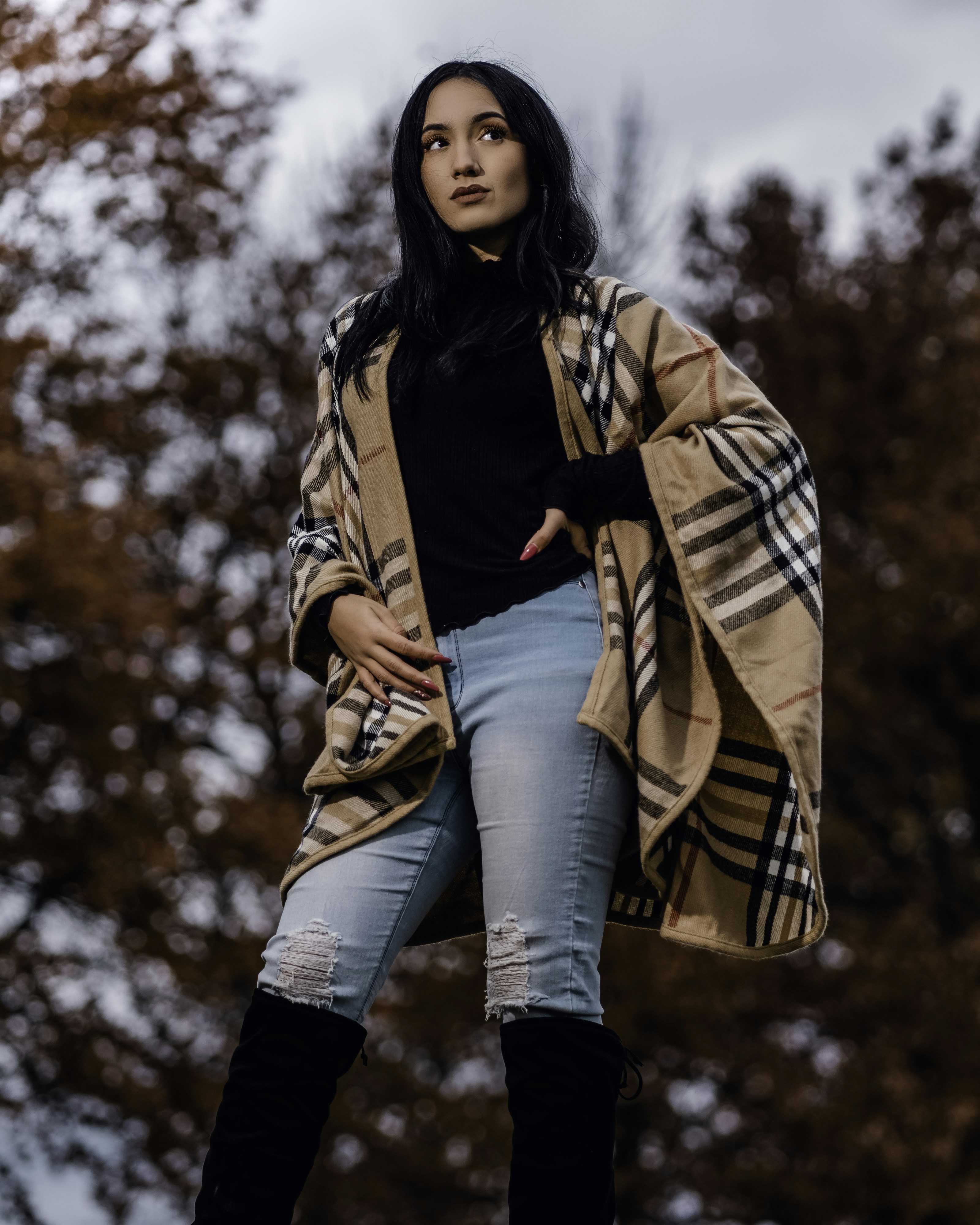

Autumn 2026 dressing is shaped by flexibility: mornings may feel cool, afternoons can turn mild, and plans often move between indoor and outdoor settings. The most useful approach is to build outfits in layers that are easy to add, remove, or adjust throughout the day. A lightweight base, a warm mid-layer, and a weather-ready outer piece can provide comfort without making an outfit feel heavy. Rather than starting with a complete new wardrobe, consider how familiar items can work together in fresh combinations. Thoughtful layering makes everyday clothing more adaptable and helps each piece earn its place across the season.
The season’s style direction leaves room for both understated and expressive choices. Rich autumn shades, soft neutrals, textured fabrics, and considered accents can all contribute to a seasonal look, but none needs to be treated as a requirement. A muted outfit might gain interest through a patterned scarf or distinctive bag, while a brighter color can bring energy to classic denim and knitwear. Silhouettes also invite experimentation: balance a relaxed layer with a more defined shape, or combine a longer coat with streamlined separates. These ideas are prompts, not rules, and personal comfort remains a useful guide.
Practicality matters because autumn days rarely follow a single script. Comfortable footwear, a bag with room for an extra layer, and outerwear suited to local conditions can make transitions easier, whether the day includes commuting, errands, or an informal gathering. Small details—rolled cuffs, visible knit textures, or a change of accessories—can shift an outfit’s feel without requiring a full change. Use trend observations as inspiration, then adapt colors, proportions, and finishing touches to the clothes already in your wardrobe. The strongest seasonal style is not a fixed formula; it is a considered way of dressing that accommodates changing weather and changing plans.
Autumn wardrobes naturally gravitate toward rust, olive, chocolate, and cream, shades that echo changing leaves and pair easily with familiar basics. For 2026, these dependable colors can feel more current when balanced with an unexpected accent. A flash of icy blue, vivid red, or soft lilac adds contrast without requiring a complete wardrobe overhaul. Think of a rust sweater with a pale-blue scarf, olive trousers with a lilac knit, or a chocolate coat enlivened by a red bag. The effect is seasonal yet distinctive, making everyday outfits feel considered rather than predictable.
To keep a statement shade wearable, let it take the lead in one place and surround it with quiet neutrals. A vivid red top, for example, can anchor an outfit with dark denim and a cream jacket; icy-blue accessories can brighten a combination of brown and olive. Limiting the strongest color to a single garment or accessory creates a clear focal point and makes mixing easier. If a shade feels too bold near the face, try it in footwear, a belt, gloves, or a compact bag. These smaller touches offer an easy way to experiment before committing to a larger piece.
Tonal dressing offers another route to a polished autumn look. Combine several variations of one color—such as camel, caramel, and chocolate—or layer olive with moss and muted khaki. Differences in texture, from smooth leather to soft wool or corduroy, keep similar shades from appearing flat. When choosing new colors, start with what is already in your closet: notice the coats, trousers, and shoes you wear most, then select accents that work with more than one of them. Cream can soften deep earthy shades, while denim provides a versatile bridge between warm browns and cool blues. A palette built around existing favorites feels cohesive, practical, and fresh all season.
Autumn dressing works best when each layer has a clear purpose and can be adjusted as temperatures change. Start with a comfortable base, such as a breathable cotton T-shirt, long-sleeved top, or fine shirt. Choose a fit that sits smoothly beneath other pieces, avoiding excess fabric that can bunch or feel restrictive. Natural and moisture-managing fabrics help maintain comfort when a cool walk turns into a warm commute. A base layer should feel pleasant on its own, since indoor heating may make heavier clothing unnecessary later in the day.
Add warmth with a mid-layer that is easy to remove. Lightweight knits, cardigans, overshirts, and tailored vests provide insulation without the weight of a thick sweater. A fine-gauge jumper works neatly over a shirt, while a vest can warm the torso and leave arms free for movement. Consider how each piece fits with the layer beneath it: slightly relaxed shapes allow comfortable movement, but overly generous cuts can trap bulk under a jacket. Scarves offer another adjustable option, adding warmth around the neck on chilly mornings and coming off quickly when the afternoon becomes mild.
Finish with an outer layer suited to the day’s conditions. A denim jacket or light blazer may be enough in dry, mild weather; a lined jacket or weather-resistant coat offers more protection against wind and passing showers. Check the forecast, but also consider how long you will be outside and whether your plans might change. On cool mornings, wear the full combination, then remove the mid-layer or scarf indoors rather than carrying unnecessary heat through the day. For breezy evenings, keep the jacket close or choose one that fits comfortably over your knit. Coordinating colors and textures makes practical layers look intentional, while versatile pieces help an outfit adapt from errands to dinner without requiring a complete change.
For crisp autumn days, straight-leg or relaxed denim makes a dependable starting point. Pair mid- or dark-wash jeans with a fine-gauge sweater, striped knit, or soft cardigan, then add a trench coat or short wool jacket when temperatures drop. A half-tuck can define the waist without making the outfit feel overly styled. Choose ankle boots for a polished finish, or clean sneakers for errands and long walks. Switching a roomy tote for a structured shoulder bag, and adding simple gold or silver jewelry, can take the same combination from daytime tasks to an informal dinner.
Tailored trousers offer an easy alternative when denim feels too casual. Wear them with a plain T-shirt, a fitted long-sleeve top, or a lightweight knit, layering a blazer or relaxed coat over the top. Loafers and a leather belt create a smart, comfortable look for casual work; ballet flats or low heels make it feel a little more evening-ready. For a softer effect, choose trousers with a relaxed drape and pair them with a fine knit. If you prefer sharper lines, opt for a higher rise and a clean front, ensuring the hem meets the shoe neatly.
Wide-leg jeans or trousers look balanced when paired with a more fitted layer, such as a tucked-in tee, slim sweater, or close-cut cardigan. A cropped jacket can preserve the leg-lengthening line, while a longer coat adds warmth without requiring a tight silhouette. Try heeled ankle boots or platform loafers if you want extra height; flat sneakers also work when the hem is adjusted to avoid dragging. Belts, scarves, and compact crossbody bags add detail without competing with the proportions. Fit is personal: size up for movement, choose a closer top for contrast, or keep both pieces softly relaxed and define the waist with a tuck. These adaptable formulas make it easy to respond to changing plans, whether the day involves errands, a casual office, or dinner.
Dresses and skirts can remain part of an autumn wardrobe with thoughtful layers that add warmth without obscuring their shape. Start with the fabric: a heavier knit, wool blend, or lined skirt offers more insulation than lightweight cotton or chiffon. For thinner pieces, add opaque tights or fine wool hosiery, adjusting the weight to suit the temperature and occasion. Neutral tights create a quiet foundation, while a subtle color or texture can bring interest to a simple outfit.
For an easy combination on crisp days, wear a knit dress with tall boots. The boots provide extra coverage and create a continuous line from hem to footwear, especially when their color relates to the dress or tights. A long-sleeved top worn beneath a sleeveless dress adds warmth and gives the outfit a layered look. Alternatively, a cardigan can be buttoned over a dress or draped loosely across the shoulders. Choose a cardigan length that works with the hem: a cropped style can define the waist, while a longer layer brings relaxed coverage.
A flowing skirt pairs well with a tucked-in sweater, which balances the volume of the fabric and makes the waistline visible. A slim or softly fitted knit usually sits neatly inside the waistband; a bulkier sweater can be partially tucked at the front for shape without restricting movement. Hem length also affects comfort and proportion. Midi skirts offer coverage and work with ankle or tall boots, while shorter hems may feel more practical with tights and substantial footwear. If a skirt is full or patterned, keep other layers relatively streamlined; a simple jacket helps maintain visual balance.
When plans change or the weather shifts, add a structured jacket over a dress or skirt outfit. A blazer, wool coat, or cropped jacket can provide warmth while giving softer fabrics a more defined outline. Consider where each layer ends: a jacket that finishes near the waist can emphasize shape, whereas a longer coat creates a clean vertical line. Leave room for comfortable movement, and choose layers that can be removed easily indoors. These combinations extend the wear of warm-weather favorites while making them suitable for cooler days.
Autumn outerwear often determines whether an outfit feels polished, relaxed, or ready for a sudden change in weather. A trench coat is a versatile choice for mild, damp days: its clean lines work with office clothes and casual layers, although it offers limited insulation in colder conditions. Wool coats provide greater warmth and a more formal finish, making them useful over knitwear, tailored trousers, or dresses. For a less structured look, leather and faux-leather jackets add texture and a defined shape, while denim jackets suit casual outfits but are best reserved for milder temperatures. Quilted jackets offer practical warmth without the weight of a heavy coat and can bridge the gap between casual and smart-casual dressing.
Fit matters as much as style when choosing a coat. Try it on over the layers you expect to wear most often, such as a sweater, blazer, or thick cardigan. The shoulders should sit comfortably, and the sleeves should allow movement without pulling across the back or chest. If you plan to wear substantial layers, consider a slightly roomier cut rather than simply sizing up, which may distort the garment’s proportions. Length also affects both function and appearance: a longer coat offers more coverage and can complement tailored outfits, while a cropped jacket emphasizes the waist and pairs naturally with high-rise trousers or skirts.
Color coordination can help outerwear work across more of an existing wardrobe. Neutral shades such as camel, navy, charcoal, olive, and black pair easily with varied outfits; a muted seasonal color can add interest while remaining wearable. Consider the colors of shoes and bags, too, so the coat feels connected to the rest of the look. When clothing underneath is simple, use outerwear as the focal point through a distinctive silhouette, pronounced collar, belt, or tactile fabric. Alternatively, keep the coat understated and let patterned scarves or layered knits provide contrast. Choosing warmth, fit, and finish together makes one dependable piece useful across crisp mornings, changing plans, and different levels of formality.
Footwear sets the balance of an autumn outfit, so consider both its visual weight and the day’s demands. Ankle boots pair easily with straight-leg jeans, midi skirts, and tailored trousers; a substantial sole can ground heavier layers, while a sleek profile suits finer fabrics. Loafers offer a polished option for mild, mostly dry days, especially with cropped pants or a skirt and visible socks. Clean, low-profile sneakers bring comfort to casual combinations and work well when plans involve plenty of walking. For extra warmth and coverage, knee-high boots complement dresses and skirts, or can be worn beneath wider trouser legs.
Comfort matters as much as appearance when temperatures fall and schedules shift. Choose secure, supportive footwear for long days, and check whether soles provide grip on wet leaves or slick pavements. Suede and other delicate materials may need protection in damp weather; leather or weather-resistant finishes are often more practical for rainy commutes. Match the shoe’s structure to the outfit: a chunky boot can balance a substantial coat, while a refined loafer or slim boot may better suit lighter tailoring. Socks can add warmth and a small detail of color or texture, but should sit comfortably inside the shoe.
Accessories offer a flexible way to refresh familiar layers without making an outfit feel overworked. A soft scarf introduces warmth, pattern, or a seasonal shade; wearing it loosely keeps the effect relaxed, while a neat wrap looks more polished. Belts define the waist over dresses, knitwear, or outer layers and can connect the colors of shoes and bags. Choose a bag according to the day’s needs: a crossbody keeps essentials close during errands, while a structured tote accommodates work items. Understated jewelry, such as small hoops or a simple chain, adds a subtle finish. Repeating one color or material across accessories creates cohesion, while limiting prominent details lets textures and well-chosen layers remain the focus.
For work, build a polished autumn outfit around tailored trousers and a fine-gauge knit or crisp shirt. Layer a lightweight merino cardigan under a structured blazer, or wear the blazer over the knit when morning temperatures are low. A wool midi skirt with a tucked blouse offers an equally professional alternative; add opaque tights as the day cools. Choose loafers or low block-heel ankle boots for comfortable commuting, and keep a compact scarf nearby. If meetings become more formal, swap the cardigan for a matching jacket and choose sleek leather shoes; for a warmer afternoon, remove one knit layer.
For weekend errands, walks, or casual lunches, start with straight-leg jeans or relaxed chinos and a soft long-sleeved tee. Add an overshirt, denim jacket, or roomy cardigan as a versatile middle layer, with a lightweight rain shell in a tote if showers are possible. A quilted vest adds warmth without restricting movement, while a beanie or textured scarf brings seasonal interest. Wear supportive trainers for active plans, or leather ankle boots for a neater finish. As temperatures rise, remove the vest; if plans shift to a café, add a structured crossbody bag and choose cleaner shoes.
For dinners and events, pair a slip skirt or tailored dark trousers with a refined blouse, fine knit, or simple dress. A cropped jacket or long wool coat provides warmth while keeping the silhouette intentional; a soft wrap is an easy layer to remove indoors. Heeled ankle boots suit a dressier setting, while polished flats offer comfort without looking too casual. Add subtle jewelry and a small shoulder bag to complete the outfit. If the evening is colder than expected, wear sheer or opaque tights and choose a warmer coat; for a relaxed venue, replace heels with sleek boots and leave the statement accessories at home.
Turning seasonal inspiration into a wearable autumn wardrobe starts with a clear view of what you already own. Set aside time to review clothing, shoes, and accessories, noting which pieces fit well, feel comfortable, and suit your daily routine. Look for reliable layers, such as shirts, knitwear, trousers, skirts, and outerwear, that can work across different temperatures. This inventory helps prevent duplicate purchases and reveals which items genuinely need attention.
Next, identify useful gaps rather than shopping for a complete new look. You may need a versatile jacket, a warm mid-layer, or footwear that handles rainy commutes as well as weekend plans. Prioritize pieces that combine with several items in your wardrobe and can be styled in more than one way. Before buying, consider comfort, fabric care, durability, and cost per wear. Check whether an item fits your budget and whether its color, shape, and texture feel consistent with your personal style, not simply with a passing trend.
Testing outfits in advance makes it easier to dress for crisp mornings and changing plans. Try a few combinations using your existing clothes, then photograph or note the ones that feel practical and balanced. Include options for layering, since a lightweight top beneath a cardigan or jacket can adapt as the day warms or cools. If a combination is missing one item, confirm that the proposed purchase will complete several outfits rather than only a single look.
Throughout autumn 2026, reuse core pieces creatively by changing the layers, shoes, or accessories around them. A familiar pair of trousers can feel different with a knit, a structured shirt, or a casual jacket; the same coat may suit both workdays and relaxed outings. A considered wardrobe does not depend on constant additions. By reviewing what you own, filling specific gaps, and planning combinations ahead, you can make seasonal dressing more comfortable, adaptable, and aligned with your everyday life.
