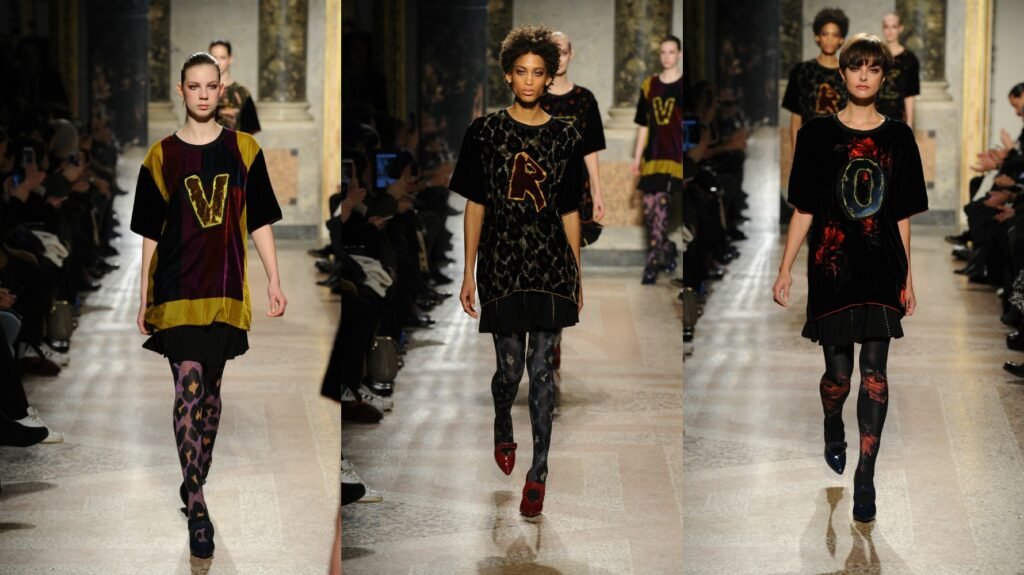

Introduction to Milan’s Street Style
Milan, renowned as one of the fashion capitals of the world, possesses a dynamic street style that encapsulates the essence of creativity and innovation. In spring 2026, the streets of Milan will showcase a vibrant mix of contemporary aesthetics and traditional influences, establishing a pivotal moment within the global fashion landscape. Milan’s street style represents more than just personal expression; it serves as a reflection of cultural identity and artistic vision.
The city’s fashion scene is deeply rooted in its historical background, architectural beauty, and artisanal craftsmanship. Each spring, as the weather warms and the blooms begin to flourish, Milan transforms into a live runway where diverse styles coexist. Influencers, designers, and fashion enthusiasts from around the globe converge in this vibrant city, enhancing its status as a focal point for street style. The eclectic nature of Milanese fashion captures the attention of those who are keen to understand current trends and styles.
As we delve into this season’s street style, it becomes evident that Milan’s essence is defined by its boldness and sophistication. Iconic brands intermingle with emerging designers, giving rise to a captivating juxtaposition that sparks inspiration across various fashion communities. Spring 2026 promises a fresh wave of creativity, characterized by unique silhouettes, unexpected color palettes, and inventive layering techniques that embody the spirit of the Milano lifestyle.
Moreover, the interaction between traditional craftsmanship and modern design principles continues to influence Milan’s street style narrative. This rich tapestry of influences not only celebrates the city’s heritage but also signifies its role in shaping trends that resonate on a global scale. As we embark on this exploration of Milan’s spring street style, we invite readers to appreciate the artistic values and cultural significance behind the styles that define this iconic city.
Key Trends for Spring 2026
Milan’s streets this spring offer a vibrant canvas where standout trends emerge, reflecting both individual creativity and collective societal themes. One of the most noticeable elements is the bold color palette that dominates the fashion scene, marked by an incorporation of bright, optimistic tones such as vibrant yellows, deep ocean blues, and rich reds. These colors signify a craving for joy and a departure from the muted palettes of previous seasons, indicating a societal shift towards embracing positivity and resilience in challenging times.
In terms of fabrics, lightweight materials are prevalent, establishing a juxtaposition between comfort and style. Natural textiles such as linen and cotton are favored, not only for their breathability but also for their sustainable qualities, as the fashion world increasingly shifts towards eco-conscious choices. This emphasis on sustainability reflects a larger movement towards environmental responsibility in fashion, encouraging consumers to be more mindful of their choices.
Furthermore, the silhouettes observed this spring illustrate a playful experimentation with proportions. Oversized jackets, wide-legged trousers, and flowing dresses balance structure with ease, suggesting a desire for versatility and comfort in daily wear. The return of nostalgic elements, such as 90s-inspired cuts, merges modern interpretations with timeless designs, showcasing fashion’s cyclical nature. As trends evolve, they often mirror broader societal dynamics, and this season’s emphasis on adaptability aligns with the current need for easy transitions in both style and lifestyle. Milan’s spring 2026 street style encapsulates an eclectic blend of hues, textures, and forms that together portray a forward-thinking approach towards fashion.
Milan’s street style in 2026 is significantly influenced by a select group of designers and brands that continually push the boundaries of fashion. Among these influential figures, brands such as Prada, Gucci, and Versace stand out for their innovative approaches and commitment to artistry, shaping trends that resonate deeply with both local Milanese residents and the global fashion community.
Prada, under the creative direction of Miuccia Prada, merges conceptual designs with practicality, resulting in pieces that challenge traditional notions of beauty while remaining highly wearable. This season, they have introduced bold colors and deconstructed silhouettes that encapsulate the eclectic spirit of Milan’s streets. This focus on individuality allows wearers to express their unique style while engaging with the broader concepts of contemporary fashion.
Gucci, led by Alessandro Michele, is another pivotal player in this creative landscape. The brand’s fusion of vintage aesthetics with modern streetwear has created a distinctive vibe that draws attention on sidewalks worldwide. Their use of whimsical prints and bold accessories instills a sense of nostalgia, perfectly aligned with the youthful rebellion that characterizes the current street style. Gucci’s collaborations and inclusivity efforts have undoubtedly contributed to its widespread appeal.
Versace, renowned for its lavish and bold designs, also continues to capture the essence of Milanese street fashion. This season, Versace’s new collection reflects a balance of opulence and accessibility, attracting attention from both international tourists and native fashion lovers. Iconic motifs like the Medusa logo are reimagined in fresh contexts, demonstrating Versace’s ability to adapt while maintaining its core identity.
Together, these designers illustrate how Milan’s street style is more than just clothing; it is a living canvas that reflects cultural narratives and artistic expressions, captivating audiences and inspiring the next generation of fashion enthusiasts.
Street Style Icons to Watch
Milan, known as a global fashion capital, is home to a plethora of street style icons who consistently define and redefine style norms. These trendsetters exhibit unique personal styles that not only resonate within the city but also influence a wider audience. Among them, one cannot overlook the impactful presence of fashion bloggers, influencers, and even local artisans who shape the street style landscape.
One prominent figure is Anna Rossi, a digital fashion influencer who has made her mark with a penchant for bold color combinations and vintage pieces. Rossi often blends contemporary designs with thrifted finds, illustrating how distinctive fashion can arise from juxtaposing various eras. Her styles often include oversized jackets paired with elegantly tailored trousers, attracting significant attention on social media platforms. As a result, she has cultivated a dedicated follower base eager to imitate her fashion-forward choices.
Another notable icon is Marco Lane, known for his sharp tailoring and preference for minimalist aesthetics. Lane has gained recognition for effortlessly integrating cutting-edge designs with classic silhouettes. His ensembles frequently feature understated hues combined with statement accessories, making him a master of balancing simplicity with sophistication. Fashion enthusiasts look up to him for advice on combining high-end pieces with accessible streetwear, making his style both aspirational and attainable.
Lastly, we should consider Sofia Greco, a young designer who is making waves with her street art-inspired outfits. Greco’s work encapsulates urban culture and creativity, often incorporating graphic tees and custom-designed jackets into her daily wear. Her distinctive approach to fashion not only sets trends in Milan but also encourages others to express their individuality through clothing.
These street style icons symbolize the dynamic spirit of Milanese fashion. Their unique choices and contributions underscore the importance of personal style, inspiring emerging fashion enthusiasts around the globe.
Photography and Social Media Influence
In recent years, the role of photography and social media in shaping street style trends has become increasingly significant, especially in fashion capitals like Milan. Photographers capture the essence of street style, showcasing unique ensembles worn by locals and visitors alike. Their work often transcends the traditional limits of fashion media, presenting raw and authentic representations of personal style that might otherwise go unnoticed.
Instagram and TikTok stand as pivotal platforms for the dissemination of these street style visuals. Users frequently share photos and videos that encapsulate their looks, with many adopting specific aesthetics that resonate with contemporary trends. The immediacy of these platforms allows users to connect with a wider audience, amplifying the impact of street style on a global scale. As a result, a single post can spark trends that influence what it means to dress stylishly, pushing the boundaries of fashion in Milan and beyond.
The dynamic nature of social media has also altered how fashion is consumed and interpreted. Influencers, often early adopters of emerging styles, serve as catalysts in this ecosystem, strategically integrating popular culture and personal flair into their street style presentations. Their influence extends to shifting perceptions of brand loyalty, as many followers are inspired by the authenticity exhibited in user-generated content rather than traditional advertising.
This continuous feedback loop between photographers, influencers, and fashion enthusiasts illustrates a collaborative environment where street style ceaselessly evolves. As the visual landscape of Milan’s streets is documented and disseminated through various channels, it nurtures an inclusive dialogue around fashion, encouraging individuals to embrace their style identities. Consequently, this phenomenon positions photography and social media as integral instruments for promoting and redefining street style trends in Milan, while simultaneously fostering a global conversation on fashion individuality.
Sustainable Fashion on the Streets
As Milan solidifies its reputation as a global fashion capital, a growing trend increasingly evident in the city’s vibrant street style is sustainable fashion. This movement, fueled by heightened awareness around environmental issues and social responsibility, has begun to reshape how Milanese fashionistas curate their wardrobes. Today, the influence of eco-friendly brands is unmistakable, with many opting for garments that prioritize sustainability without compromising on style.
Local designers are producing collections that incorporate organic materials, recycled textiles, and innovative production methods that reduce waste. This shift is reflective of a broader cultural change, where consumers are eager to support brands that align with their values. Thrift culture, which has gained momentum globally, is particularly resonant in Milan, where vintage shops and second-hand boutiques offer a treasure trove of unique fashion finds. The charm of discovering previously loved pieces and the ability to express individuality resonate with those seeking sustainable alternatives to fast fashion.
Additionally, conscious consumerism plays a significant role in this transformation. Milanese fashion enthusiasts are now more informed about their purchasing decisions, emphasizing quality over quantity. This approach not only ensures a more thoughtful wardrobe but also fosters a connection to the clothing they wear, making fashion a means of storytelling rather than mere consumption. The shift towards sustainable fashion is also indicative of a collaborative spirit, with many individuals sharing insights and resources on social media platforms, thus promoting a community that values ethical choices.
In essence, Milan’s street style in 2026 encapsulates a dynamic fusion of aesthetics and ethics, demonstrating that sustainability in fashion is not just a fleeting trend, but a fundamental shift towards a more responsible and conscious way of dressing. This evolution continues to inspire both locals and visitors alike to embrace a more mindful approach to style.
Accessories That Define the Look
The Milan Spring Street Style of 2026 showcases a range of accessories that are integral to the outfits worn by fashion enthusiasts across the city. These must-have accessories are not just supplementary but serve as fundamental elements that enhance both aesthetic appeal and personal expression.
Beginning with bags, the trend leans heavily towards oversized silhouettes crafted from luxurious materials. Whether a slouchy tote or a structured handbag, these bags are often adorned with bold designs and vibrant colors that instantly elevate an outfit. They are combined with minimalist clothing to create a statement look that resonates with the creative spirit of Milan. Additionally, crossbody bags have gained traction for their practicality and style, offering a chic solution for the on-the-go fashionista.
Footwear also plays a pivotal role in defining Milan’s street style this spring. Chunky platform shoes, paired with both casual and formal outfits, have emerged as a favorite among trendsetters. Elegant ankle boots, especially those in unexpected textures or patterns, are often selected to juxtapose flowing skirts or tailored trousers, thus adding an element of surprise. Sandals with unique embellishments are also prevalent, highlighting the desire for comfort without compromising on style.
Moreover, jewelry is being embraced as an essential accessory that allows for personal storytelling. Layered necklaces and oversized earrings are particularly popular, creating a dynamic focal point in any ensemble. The contemporary take on classic jewelry styles reflects a balance between traditional craftsmanship and modern-day artistry.
In conclusion, the accessories highlighted in Milan’s Spring Street Style are critical in shaping the overall aesthetic. They provide layers of personal expression, reflect current trends, and contribute to the diverse tapestry of fashion that defines the city during this vibrant season.
Milan is renowned as a global capital of fashion, characterized by a rich tapestry of cultural influences that shape its street style. The city’s unique position as a crossroads of diverse cultural identities facilitates a vibrant exchange of ideas and aesthetics. This diversity is vividly reflected in Milan’s street fashion, where traditional and contemporary elements coalesce to create a distinctive style that is both innovative and rooted in history.
Immigrant communities and local artisans contribute to a melting pot of cultural expressions. The blend of Italian heritage with inspirations from various global influences results in streetwear that showcases eclectic designs, textiles, and colors. For instance, traditional Italian craftsmanship can often be seen intertwined with modern silhouettes and materials, allowing for a dynamic reinterpretation of classic styles. This interplay between the old and the new highlights the cultural dialogues that exist within the city’s fashion scene.
Additionally, Milan’s fashion nuances are further enriched by its historical significance as a center for art and design. The city’s museums, galleries, and fashion districts serve not only as venues for showcasing established brands but also as incubators for emerging talents who draw inspiration from the city’s storied past and diverse social fabric. This synergy between cultural influences fosters an environment ripe for creativity, as fashion enthusiasts curate personal styles that celebrate a wide range of traditions, aesthetics, and identities.
Ultimately, Milan’s street spring fashion acts as a reflection of the city’s cultural diversity, illustrating how the integration of traditional designs with contemporary styles contributes to the evolution of fashion. This ongoing dialogue between cultural heritage and modernity continues to inspire both locals and visitors, establishing Milan as an enduring source of inspiration in the ever-changing landscape of global fashion.
Conclusion: The Future of Milanese Street Style
The exploration of Milan’s street style highlights a vibrant tapestry of creativity and innovation that encapsulates both cultural heritage and modern influences. As we reflect on the key points discussed, it is evident that Milan continues to set the trend for fashion enthusiasts and industry insiders alike. The fusion of traditional craftsmanship with avant-garde design demonstrates the city’s ability to embrace change while honoring its roots.
Looking ahead, the future of Milanese street style appears poised for even more dynamic evolution. Key trends emerging from the current climate indicate a shift towards sustainability and inclusivity, with designers increasingly prioritizing eco-friendly materials and diverse representation in their collections. This progressive mindset not only resonates with a younger generation of fashion consumers but also aligns with global movements advocating for environmental consciousness and social responsibility.
Additionally, the role of technology in shaping street style cannot be underestimated. The rise of digital platforms has transformed how fashion is disseminated and consumed, enabling instant access to emerging trends from around the world. In this context, it is likely that Milan will continue to serve as a crucial hub for fashion innovation, utilizing technology to enhance the customer experience and redefine the shopping landscape.
As cultural dynamics evolve and societal values shift, Milan’s street style will undoubtedly adapt, reflecting these changes while continuing to inspire. The interplay between individual expression and collective aesthetic will pave the way for new ideas and styles, reinforcing Milan’s reputation as a leader in the global fashion arena. Thus, while the essence of Milanese street style remains, its future promises to be an exciting journey of exploration and reinvention.